Props List:
-Makeup
-lip gloss
-powder
-mascara
-brows
-eyeshadow
-blush
-glitter
-eyeliner
-concealer
-Hair ties
-Hair brush
-Hair pins
-Hair spray
-grey and green hoodies
-green singlet
-black pants
-black shoes
-socks
-green singlet
-white singlet
-white shorts
-wrap skirt
-pointe shoes
-phone
-big bag
Tuesday, 29 March 2016

Wednesday, 23 March 2016
Costume List S1 (Atychiphobia)
Sasha Peters (1)
Sasha 1 is the petite and fragile side of Sasha Peters. She represents the "angel on the shoulder" in a sense, and never puts a foot wrong. She is the girl other girls are jealous of because she seems to be so perfect.
Sasha 1 is the petite and fragile side of Sasha Peters. She represents the "angel on the shoulder" in a sense, and never puts a foot wrong. She is the girl other girls are jealous of because she seems to be so perfect.
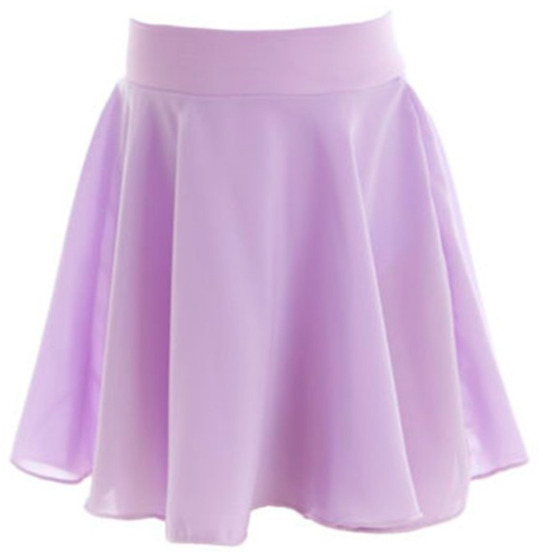
 Sasha 1 will wear a ballet outfit consisting of a thin purple wrap skirt, pointe shoes, tight hair bun, purple leotard, and light makeup. The wrap skirt is chosen to represent her “fitting the role” and “playing the part” of the ballerina. The pale purple colour of her costume is in direct contrast to the dark attire of S2, showing that S1 is pure and fairly transparent.
Sasha 1 will wear a ballet outfit consisting of a thin purple wrap skirt, pointe shoes, tight hair bun, purple leotard, and light makeup. The wrap skirt is chosen to represent her “fitting the role” and “playing the part” of the ballerina. The pale purple colour of her costume is in direct contrast to the dark attire of S2, showing that S1 is pure and fairly transparent.
 The wrap skirt is chosen because it is less obvious than a large, frilly tutu. This is effective because it portrays S1 as professional and not wanting the spotlight all the time, whereas really it is her way of playing down her fear and not making it obvious by putting it in the spotlight. Wraps are also pretty much transparent so this aids to the notion of S1 portraying herself as an "open book."


Her pointe shoes are holding up her entire body wieght, showing she has a sure foundation and is secure in where she stands. They are representative of her projecting herself as higher and above the rest of the people there e.g. the other competitors and above her fear, that she is flawless and undefeatable.

The pristine ballerina bun represents the pristine nature and character of Sasha 1 and by having her be a ballerina, who have every single strand of hair and move perfect and nothing is out of place. Her pale and natural make up show that she is not covering up every single aspect with a mask, yet there still are a few things she is hiding behind, for example, her fear of failure.
 The colour pink is chosen for her make up and costume as it represents kindness, hope, and is calming. Pink is a non-violent and non-threatening color; in contrast to the dark green colours used for S2. It can represent success, conveyed by the term "everything is rosy" so it is suited for S1 as she is at an audition and would hope to be successful.

Her entire costume, including make up and hair shows us how S1 puts forward a mask of being perfect and having it all together: whereas actually, revealed at the end, we see that this is not the case.

The pristine ballerina bun represents the pristine nature and character of Sasha 1 and by having her be a ballerina, who have every single strand of hair and move perfect and nothing is out of place. Her pale and natural make up show that she is not covering up every single aspect with a mask, yet there still are a few things she is hiding behind, for example, her fear of failure.

The colour pink is chosen for her make up and costume as it represents kindness, hope, and is calming. Pink is a non-violent and non-threatening color; in contrast to the dark green colours used for S2. It can represent success, conveyed by the term "everything is rosy" so it is suited for S1 as she is at an audition and would hope to be successful.

Her entire costume, including make up and hair shows us how S1 puts forward a mask of being perfect and having it all together: whereas actually, revealed at the end, we see that this is not the case.
Tuesday, 22 March 2016
7 Areas of Representation
Gender: Arrow
Males are represented as the dominant gender in this clip as we see the villain is standing higher above Laurel (the girl in the chair) at 0:20 seconds, looking directly down at her. He is obviously in power and in control of her. High shots of Laurel are from a male POV. Mulvey would say that this sequence is largely oriented for the male gender, but in this case, the "male gaze" is to show dominance and power without any sexual connotation. In the long shot at 0:40 seconds, we see another woman in the shot. This could show how this woman, obviously in team with the man, is under control of the man, yet is not under any threat from him. This shows that if a female submits to a male, and comes under his authority, then she is allowed to be a part of what he is a part of and is able to share in his power- but is ultimately subject to his power. When Ollie comes to save Laurel, we see that he is on a lower level to the man, proportionally in shot (1m 56s), as well as in the story, as he is out of weapons to defend himself. We see that the villain has outsmarted the hero and now the villain, the male villain, is dominant to both female and male victims. However, when two male heroes are present (2m 20s), the villain is overpowered. This shows that males are technically on the same level, however their power and position determines who is more dominant.
Age: The Hunger Games
The dominance and control possessed by the older aged is shown clearly here by the use of camera shots and mise en scene. The older lady on stage (Efie) wears a purple dress (0:01), representing power and royalty. However, Katniss, Primrose and the rest of the children wear greys, browns, and blues (0:37-0:42). Primrose wears grey, representing neutrality and little to no emotion; which is ironic as we see that she shows a lot of emotion in this clip. Katniss wears a grey-blue dress like costume, representing sadness, nearly depression, and a lack of control as this was the colour commonly worn by slaves in captivity. This is ironic again, because these children are posed and treated as slaves in captivity, being held and controlled by the government, caged in by soldiers with guns. Anyone who steps the wrong way or breaks the rules is shot immediately. Age dominance is also represented by camera shots and angles as Effie is high up on the stage, looking down on the children, whereas the children are in a mob on the floor. Katniss is only allowed up on Effie's level if invited, and the reason she is up there is to fight in a war for her amusement. The lighting is dull on the children's mood and helplessness, whereas it is slightly lighter on Effie showing the contrast in ability between the ages. The non-diegetic sound of suspenseful and tragic music shows how the children are helpless and scared against the power of the government, and there is nothing they can do to stop it because they simply don't have the power because they are so young. The diegetic sound of screaming and crying of the children also represents this same consequence.
Ethnicity: The Help
The white race is obviously shown as the dominant race in this movie as the black woman, Abel, is literally a servant. Abel is on a lower level to the white woman as she is physically lower down than her (0:17). However, this represents the status of the white woman being higher than Abel's. This is shown by the low angle camera shot of the white woman looking down at the floor, sowing her looking down at the maid conversing with the whole child. The fact that the black woman put herself down on the level of the white woman shows how she just wants racial equality and to be treated at least as well as a child if not a woman of society herself. The non-diegetic sound of tragic music as the voice over of the maid is played shows how depressing and heartbreaking this scene is. The white child is crying and screaming out to the maid for her to come back as she obviously loves her, while the mother is crying not because of the loss of the black woman, but the loss of a maid and hearing her child upset. This represents the selfishness of the white race in those days compared to the servant nature of the blacks. Also, the white women are represented as higher because of their eloquence of speech. The black woman doesn't speak as fluently as the white woman (as shown in an earlier scene) and this again represents the superiority of the white race.
Relationships/Love: The Notebook
The couple in this movie are obviously in love, shown by the way they are romantically paddling through the lake, surrounded by white birds, laughing through the storm and enjoying each others company. The rain at this point as seen as refreshing rather than stormy, however, only about 15-20 seconds later we see that now the rain is starting to look stormy. This is a pathetic fallacy as when Ellie "storms" off, we can see the tension build as she confronts him on not writing her. As she stand further away (1:26), creating distance between them, we see him draw nearer to her, representing him wanting to resolve this conflict and wanting to be with her. The rain pours harder and again is ow nourishing as we see their relationship heal and seal with an intense and emotional kiss. Non-diegetic music is introduced just seconds before this kiss to signify the importance of an event about to take place, and when they kiss, the music is louder and more intense to solidify in the audiences mind the significance of this. The lighting in this clip is quite dull and murky, yet lighter n the couple. It has a blue tinge to it; which represents cold, yet here again it means refreshing and life giving. During the kiss, the lighting becomes brighter and has a warmer tinge to it than the rest of the clip. This represents the couple's relationship "heating up" but also them healing and comforting each other.
Class/Status: 12 Years A Slave
The white people are obviously superior in this film as they are treating the blacks as slaves. The use of mise en scene in this clip is important in costume as the white people are dressed well and in light colours such as white and grey coats. Whereas the salves are dressed in ripped rags and dull colours (0:03). When they wash, they are treated like animals. They have no privacy and scrub with whatever is available, male and female wash together, and children are seen as little toys (1:03). Women are something to be admired, as mentioned before Laura Mulvey's "male gaze" testifies to this, and men are work horses. Different camera angles are also important as we see the directors use higher angled shots when looking at the slaves to show the white people are literally and metaphorically "looking down their nose" at them. The slaves are treated like ornaments in museums. They stand in position to be marvelled upon and purchased for a fair price, and touched and moved at the buyers leisure (2:04). This is shown by the way they stand naked in line, while men in white costumes and top hats gaze at them. This mise en scene is effective because it clearly shows the audience what it was like to be a slave in the days of William Ford. Also, the non-deigetic sound of Platt playing the violin adds to the sense of "selling people" being an ordinary, everyday thing for people, because in those days, it was. This is effective because it nearly makes it humorous how this man is showing people around to literally buy people as if they are merely machines.
Physical Ability:Hunchback of Notre Dame
The non-diegetic sound of music in this clip is significant of the intense and emotional event about to take place. Quasimodo is a hunchback and physically is shorter and lower than the rest of the characters in this cartoon. The low camera angle shots used in this film represent his lack of ability and inability to stand straight and at times portray him as "cowering over" because of his physical disability. Dramatic and escalating music is played as a non-diegetic sound accentuating the atmosphere and the mood of the scene; tragic and suspenseful. However, when Quasimodo changes his dull, defeated attitude to a determined and set attitude to save Esmeralda (1:27), it changes to a more accelerating and triumphant anthem, with the introduction of trumpets and a "twinkling" sound. Also, we see that though Quasimodo has a physical disability, when he decides to save his lover and friend, he overcomes this and swoops down majestically and determinedly; despite not having the physical ability to do so in some peoples eyes. Camera angles are also important here as we see a low angle shot of Quasimodo when he is chained up, showing his inability to escape, yet when he breaks them, we get a high angle shot of him showing his power and dominance over the situation.
Identity: The Bourne Identity
The camera is titling and changing angles throughout the whole sequence. This physically shows that Bourne and the crew are, indeed, on a boat. However, it also shows the disorientation of Bourne as he in the struggle to find his identity and who he is as a person. This camera movement demonstrates how he is off balance; physically and mentally. Bourne, in the beginning of the sequence, is talking in two different languages (0:08-0:28). First, French. Bourne is speaking fluently in this foreign language, then suddenly and subtly changes to German; you wouldn't notice it unless you listened carefully. This, in addition with Bourne's actual dialogue, shows him questioning his identity and trying to figure out who he is and where he is from. This voice over is happening while we see Bourne interacting in other activities, such as exercising (0:15), and then we cut to the scene of him talking. And he is talking into a mirror (0:26). Bourne is talking to himself as though he is a different person. This shows how Bourne is so unaware of himself, he dissent even know if he is himself. The right side of his face is slightly lit up, the rest of him is completely in shadow. This creates mystery as Bourne isn't physically visible for the viewer and we are too questioning his identity. This gives a literal representation to what is going on in Bourne's mind. Bourne never makes eye contact with the camera, though he stands directly in front of it (1:07). This is effective because he never directly confronts the audience, as if he is leaving us in suspense, waiting for the moment where he looks at the camera and it all "clicks", because we haven't had this ,moment it emphasizes the effect that Bourne is still searching inside of himself, and outside of himself, to find who he is. This sequence is a pathetic fallacy as there is a storm taking place during this "storm" in Bourne's life, his mind "clouded" and his sight "unclear" as he is "storming" around to find his own rainbow, his answer, his identity. The dramatic music used in this clip also adds to the suspense of Bourne by creating a tense and mysterious atmosphere.
Tuesday, 8 March 2016
Saturday, 5 March 2016
Planning and CCR- Preliminary Task One (The Interview)
The Planning Process of Preliminary Task 1
Assignment: To create a sequence where a character opens a door, walks through a room (without crossing the line), and exchanges two sentences of dialogue with another character.
Must include: -180 degree rule
- Match on action
- Shot reverse shot
Our purpose of this film was to create an enticing, awkward job interview where the interviewee was a sloppy, careless teenage boy, and the interviewer was the manager of an upper class company. We constructed a STORY BOARD to illustrate how we would achieve this. However, we had to cross out the first 3 boxes as we didn't think they would be useful or effective in creating what we needed. By using mid close ups and close ups on the actors and their reactions to each other, we tried to get across to the audience the disprovals of the interviewer and the total disrespectfulness of the interviewee. For example, by using a close up on Jane's face after she was rudely interrupted by Daniel shows us her disapproval and disgust in his behavior.


We made a SCRIPT and went through each of the lines that we created for the actors to make sure that each action and each word they said would sound and look like something the actual people would do in a real life situation. We kept the majority of Daniel Parker's (played by Jesse Toderan) lines short and blunt, to get across his abrupt and sharp character, whereas Jane Smith's (played by India Ironside) lines were more structured and descriptive because she is well educated and in a professional occupation. The props we used were a glass of water; for Daniel's rude interruption, a hotdog; to empashize is sloppiness when he left the room, and glasses for Jane as part of her costume to make her appear classically "smarter" and professional. Jane's costume included our school's (City Impact Church School) blouse, vest, tie, and skirt; whereas Daniel wore his own personal hoodie, track pants, and cap, with white Vans impersonation shoes which I personally purchased from The Warehouse.


The SHOT LIST we created was used to keep us working towards time and to stick to schedule, showed how long approximately each shot should be, having the more significant shots be longer than the others; for example, when Miss Jane questions Daniel's motive for applying for the job, it is longer than his reply. This is to show that in her shot, she is talking about the investment and dedication that this job takes, where then she is rudely cut off but his silent reply of money. The shot also included what props we needed, such as the glass or the hotdog, in bold, to clearly show my partner Alexis and myself when they were needed.



Thursday, 18 February 2016
Thriller Sub-Genres
Religious Thriller
These thrillers use the rich history of world religions to build atmospheres that create nearly discriminating moods and political tension. They tend to use a lot of secrecy, manipulation, and deception in these movies. Common themes used in these movies are the large contrast between black and white; white being pure and holy, and black being dark and deadly- sometimes demonic. These thrillers trend to be quite gory and violent. Supernatural occurrences such as traveling to Hell etc are commonly seen, and demon possessions are rarely disused, and therefore, exorcisms are also commonly seen. Symbols frequently used are crosses, illuminati, Om, and Taijitu- to name a few. Dark or suspenseful music can sometimes be used for dramatic effect. Examples of these are End of Days(1999), Rosemary's Baby(1968), and The Omen(1976).
click here to watch a series of clips from End of Days.
Spy Thriller
Spy thrillers generally involve, well, spies. They usually involve government and/or terrorism. They use classic spy music, like that of a James Bond movie; racy, exciting, and fast (click here). It can also be slowed down a bit to create a more suspenseful atmosphere (click here). In these themes, they use computer generated sound but do make use of some instruments, such as drums, electric guitar, and bass guitar. Symbols repeatedly seen in spy thrillers are cars, guns, and knives. There is often a romantic interest in these thrillers, and the girl is often captured or hurt in some way to create another problem for the protagonist. Explosions, high technology weapons and communication devices. Fight scenes involving highly skilled fighting area also seen. Formal and upper class costumes are also worn, e.g. suit and bow ties. Examples of these are The Army of Shadows(1969), The Bourne Identity(2002), and Casino Royale(2006).
Medical Thriller
A medical thriller is usually situated within a hospital or medical clinic. The common theme of these thrillers is for the drugs/utensils etc that should be used for medical person, to be used as deadly weapons. They tend to use dark, mysterious music to make the viewer feel uneasy about the events of the movie. They tend to include scenes of mid games being played on particular characters, often as a way of reprimanding or challenging their conscience. Symbols/objects and places seen in these thrillers are things like scissors, scalpels, drugs used for weapons, and hospital beds (for characters being rushed into the emergency rooms). Examples of these are Pathology(2008), Anatomy(2000), and Flatliners(1990).
click here to watch a scene from Flatliners.
Forensic Thriller
These thrillers are a hybrid of mystery and medical thrillers. They surround the main protagonist and detective/investigator being given the task of trying to solve a crime (usually a murder or kidnapping) that threatens their lives and ends up with them having a few "close calls." Symbols seen in these movies are guns, cars, medical/operating tools (for scientists investigating the body), and detective kits (police tape, markers, gloves, chemicals for testing). Places that these movies take place in are forensic labs and hospitals, police headquarters, and either very busy places or very isolated places- although there are the odd few that go against this. Similar music to that in a mystery thriller- low, exciting, and fast. The music tends to build slowly then become bold and fast, making the viewer feel excited and nervous at the same time. Examples of these kinds of thrillers are The 39 Steps(1935), Murder by Numbers(2002), and The Bone Collector(1999).
click here to watch The 39 Steps.
Conspiracy Thriller
In these thrillers, the protagonist faces up to a large, powerful group of enemies and only they recognize their true intent or motive. They usually work alone. Common themes of these thrillers are secrecy (and the uncovering of secrets), manipulation, and deception; making them quite similar to religious thrillers. Symbols seen in these movies are a lot of religious objects e.g. crosses, and illuminati. They tend to feature spiritual references as well e.g. demonic forces. Music used in these movies is dark and eerie, creating a bloodcurdling and unnerving atmosphere. Examples of these kind of thrillers are Shutter Island(2010), JFK(1991), Old Boy(2003).
click here to watch a clip of Shutter Island.
Techno Thriller
These thrillers are hybrid thrillers, pulling ideas from war, science, spy, and action thrillers. They focus highly on techno-sounds and intense details, for example, the fragments of a bomb in explosion in a war movie. Techno thrillers tend to have computer generated, sci-fi music with very little to no use of actual instruments. The arts of karate, politics, and espionage are effectively used in these thrillers. Common themes seen in these movies are those such as politics, war, and corruption. They use cutting-edge technology in filming the movie and as an actual part of the movie, either as something to obtain, or working for/against the protagonist. Examples of these kinds of movies are The Matrix(1999), Blackhat(2015), and Paranoia(2013).
click here to watch a clip from The Matrix.
Disaster Thriller
Disaster thrillers take place during a natural disaster. What makes these thrillers different to the others is that the protagonist is either trying to prevent the disaster, stop the disaster, or same themselves and other people. Common aspects of these thrillers are floods, earthquakes, tornadoes, and storms. Loud and booming music is usually played in these movies to create a suspenseful and enticing atmosphere. Symbols of these movies are destruction to buildings, flying cars, and general annihilation of any living thing. Very wide shots are usually seen in these movies, for example an aerial view of a flooded street, to show the extent of the damage. Examples of these kinds of movies are Titanic(1997), Independence Day(1996), and The Sweet Hereafter(1997).
click here to watch a clip from The Sweet Hereafter.
Eco Thriller
In this sub-genre, the protagonist must stop a threat to the environment, whether it's man-made or natural, that will have major influences on society if left unresolved. The problem could either have local, national, or even global effects- for extra dramatic effect. Symbols seen in these thrillers is a lot of nature e.g. ocean, forests etc. Politics and governments are also seen a lot in these movies. Music can be used for dramatic effect as they use dramatic and tension building music to increase the suspense. However, they primarily use the diegetic sound of the natural distress itself e.g. the "BANG CRACK" of an earthquake. Examples of these kinds of thrillers are The Green Brain(1966), The Last Winter(2006), and Zodiac(1988).
click here to watch Zodiac.
Thursday, 11 February 2016
Opening Sequences
What is the purpose of an Opening Sequence?
The opening sequence or credits are shown at the beginning of the film/tv show/video game to introduce the audience to all or some of the following elements: main characters, locations, themes, plot, and settings. The Opening Sequence establishes the key atmospheres and moods that are going to be present within the media product; giving the viewer a clear sense of what to expect.
What is the difference between an Opening Credits and a Title Sequence
Opening Credits attribute the directors and key people (the main actors, directors) who played a part in creating and producing the media. They do this because people are attracted to movies/tv shows because of the actors and the director. For example, if the movie/tv show stars a famous, highly regarded actor/actress the media is likely to have many more sales than if it stared an unknown or slightly well known actor/actress. whereas a Title Sequence is how the company decides to present their title, the "header" of the movie.

What techniques can be employed in a Opening Sequence?
Directors/Producers can choose to create exciting and captivating title sequences by using many different and abstract methods of production. For example, in the movie Vertigo (1958), Alfred Hitchcock uses dramatic non-diegetic sound to create a feeling of suspense and unease.. Like the feeling you get when you know something is about to happen. For example, he starts hard and fast with loud, emphatic string music. This is effective because it launches the viewer straight away into the movie, grabbing their attention. Also, when the credits come onto the screen, the music gets louder and sharper; as if emphasizing the people's name. Hitchcock also uses extreme camera shots, such as an extreme close up on a women's lips; creating slight confusion and curiousness for the viewer. Already after only a few seconds, the viewer is already intrigued and left expecting more action. This suspense is also created by the colors and shapes Hitchcock uses, by zooming up an into the worms eyes, flashing with red and then screening an abundance of spirals, flower, and colors (which become important later on in the movie). Commonly, opening sequences are filmed chronologically. It is the first part of the TV show/movie and it then continues to fold out from there. However, these days directors/producers decide to "change it up a little" and actually change the order of this sequence. They decide to start off the opening scene right in the middle of the action, or with a scene from the middle of the movie and then have the rest of it be a lead up and/or entertaining unfolding of events leading up to the opening scene. An example of this is in a movie is Saving Private Ryan (1998).
Thriller Comparison
*Unknown(2011): As soon as the movie starts, we are greeted with non-diegetic and dramatic, yet reasonably soft string music. A piano and violins are the primary instruments being used in this sequence. Only the sound of the plane is diegetic at this point. The director uses modern producing techniques in this movie by using creative and "out of the box" ways of making their opening sequence. For example, the first thing we see in the movie is a moving shot of clouds. We see predominately black on the screen, with a few gaps of colored sky here and there.

This sequence is already preparing the viewer for what is going to happen in the movie; most of the time both us and the main character, Dr. Martin Harris (Liam Neeson), are trying to figure out where we are and what is going on (we are in the dark), and every now and then we have a few moments of clarity. The viewer is also already aware that they are up high somewhere in the sky. Next the camera zooms back out of the clouds and we are moving into a plane through its window. It is as if we are traveling into a different world; our perspective is literally being pulled "out of the clouds."

The first figure we see at this point, is a man sitting alone in the plane, and this is the first part of diegetic sound we get- the man opening his journal and writing in it. This shot can symbolize the fact the man is secretive and possibly a character to be suspicious of as he is writing about something we cannot see.


We don't see any writing or any sign of what he might be writing, we only see the camera pan over his hand moving and the back of the journal. This is significant because it already prepares the viewer for the fact that during the process of the movie, we get to see an outside view is happening, but we don't really get much detail or intel into what is really happening. This is also created by the use of slow pans that stop just before anything could be revealed and the use of jump cuts. The lights switch on in the plane cabin, and what do you know? We see his face; his identity is
revealed. We see someone is flying with him, but not just anyone; a woman (who we assume to be his wife as they both wear rings on their marriage fingers). At this point, the music also starts to change, introducing a double bass, and creating a mysterious atmosphere.

The next significant shot is the camera zoomed in closely on the man's briefcase. And the dramatics of the music gets higher and louder. This alerts the viewer to place important attention on this object.

Already the viewer is shown that the briefcase is an important object and that we should be paying attention to it.
Now the title sequence. Again, the music has changed. It is much louder, but less mysterious- they keep it at a consistent, steady level. This persuades the viewer that "everything is just what it seems", as if attempting to convince them that everything is normal. The title "Unknown" slowly fades in; "known" first, then "un" second. This is an interesting effect because it prepares the viewer for things to happen out of order. Throughout the movie, we are watching it nearly back to front, and this title sequence is a taster for that. The title lasts there for 4 seconds, and then it disappears. Just like that, its there and then it's gone.

The final shot of this Opening Sequence is, again, of the briefcase. We see that the briefcase has been left behind by the couple who has just driven off in a taxi. We have already established that the briefcase has plays an important role in this movie, and the fact that it is the last shot of the sequence, confirms it further.

 The first shot we get in this movie is the MGM logo with a roaring lion on a vibrant green background. Here the music starts as loud, dramatic, and scary. This already makes the viewer uneasy. As the logo fades and changes into moving lines and credits,the music changes into a more exciting and intense sound rather than scary.
After the logo disappears, blue parallel lines slice through the green background, creating an uneven grid, while the credits slide in from different angles on the screen. We see that, in fact, those lines turn out to be the frames of windows on a tall building in New York as established from the iconic yellow cabs that can be seen in the reflection on the glass. This is already showing intel into the movie as this is a direct correlation to the protagonist in the movie as he is seen as something he is not.
Many quick transitions are used in this opening, for exapmle, immediately after the windows are revealed, we jump from long shots of people rushing through the streets, to a aerial shot of people flooding down the stairs to the subway, and to more long shots of people fighting over tax rides and getting shut out of buses. The purpose of all of these shots convey to the viewer the intensity and aggressiveness of bustling streets, and how so much confusion and frustration can be created by the people who also want to calm it and control it.
The people in this sequence all seem to be reasonably well dressed and majoritively all of working class and they all seem to be young adults to elderly in age.
click HERE to watch the opening sequence of North by Northwest.
Subscribe to:
Posts (Atom)